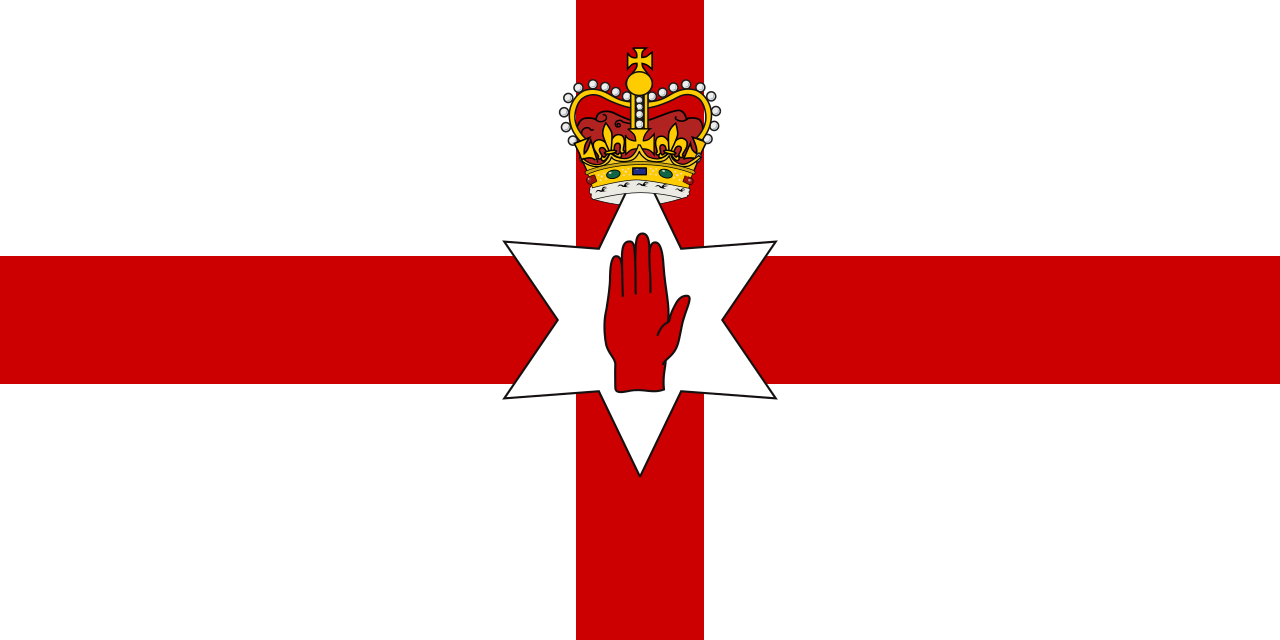
The Green and White Army's Defining Moment: UEFA Euro 2016
The journey of the Northern Ireland National Football Team is a testament to unwavering spirit and strategic brilliance, often overcoming odds that would daunt larger nations. While their history is rich with surprising World Cup qualifications, it was their performance at UEFA Euro 2016 that captured the imagination of a new generation and firmly cemented their place in modern football lore. For the first time in their history, the Green and White Army qualified for the European Championship, a monumental achievement for a nation with a population of under two million.
Under the astute guidance of manager Michael O'Neill, the team approached the tournament with a clear strategy: impeccable Northern Ireland Football: A Small Nation's Big Tournament History tactical discipline and an unshakeable belief in their collective strength. Their qualification campaign was marked by hard-fought victories and a tactical setup designed to maximize their strengths while neutralizing more illustrious opponents. At the finals in France, this approach bore fruit spectacularly. Despite initial setbacks, a crucial 2-0 victory over Ukraine in the group stage—a performance lauded for its defensive solidity and clinical finishing—secured their progression to the knockout stage. This triumph wasn't just about three points; it was a powerful statement of intent, showcasing how meticulous preparation and a unified squad could defy expectations on the grandest stage.
A Legacy Forged in Resilience and Strategic Acumen
The success of 2016 was not an isolated incident but rather a continuation of a proud tradition of resilience embedded deep within the fabric of the Northern Ireland National Football Team. From its inception, administered by the Irish Football Association (IFA), the fourth-oldest national governing body in the world, the team has faced significant challenges. The early days, marked by a resounding 0-13 defeat to England in 1882, underscored the nascent state of football in Ireland and the vast gulf in experience. However, these early struggles only served to harden their resolve.
Despite infrastructural constraints, a relatively small player pool, and the complexities arising from player emigration, Northern Ireland consistently found ways to compete. Their impressive record of qualifying for the FIFA World Cup finals three times—in 1958 (reaching the quarter-finals), 1982 (advancing to the second round), and 1986—long established them as the smallest nation to reach multiple tournaments. Legendary figures like goalkeepers Pat Jennings and Harry Gregg, the iconic captain Danny Blanchflower, and prolific goalscorer David Healy epitomize the individual talent that, when combined with a strong collective ethos, allowed the team to punch above its weight. The foundation for this enduring spirit was laid by the IFA's Enduring Legacy: Northern Ireland Football's Founding & Evolution, which adapted and persevered through historical shifts like the partition of Ireland, ensuring that football remained a unifying force.
Michael O'Neill's Masterclass: Youth, Organisation, and Identity
The appointment of Michael O'Neill in 2011 (with a brief hiatus before his return) marked a pivotal moment for the Northern Ireland National Football Team. O'Neill understood the unique challenges and inherent strengths of managing a smaller national side. His philosophy centred on two key pillars: youth development and an unwavering commitment to tactical discipline.
Without the luxury of an endless supply of world-class talent, O'Neill meticulously crafted a system that maximized the abilities of his players. This meant:
- Defensive Organisation: Building a compact, hard-to-break-down defensive unit capable of frustrating technically superior opponents. Every player understood their role in tracking, pressing, and holding shape.
- Counter-Attacking Threat: Developing swift transitions from defence to attack, utilizing direct play and the pace of wingers to exploit spaces left by more adventurous teams.
- Set-Piece Prowess: Turning dead-ball situations into significant scoring opportunities, often a critical equalizer against teams dominant in open play.
- Cultivating Team Spirit: Fostering a profound sense of camaraderie and collective responsibility, turning a group of individuals into a formidable unit where the sum was greater than its parts.
This systematic approach not only led to the historic Euro 2016 qualification but also enabled the team to compete fiercely in subsequent campaigns, including UEFA Nations League promotions and World Cup qualifiers against formidable opponents like Germany. O'Neill's legacy is not just in results, but in instilling a clear identity and a sustainable pathway for future success, emphasizing that grit and intelligence can triumph over sheer individual brilliance.
Beyond Euro 2016: Sustaining Success and Navigating Modern Football
The glow of Euro 2016 continues to inspire, but the landscape of international football is relentlessly competitive. For the Northern Ireland National Football Team, the challenge "beyond" is to sustain that level of performance and continue to evolve. With a FIFA ranking typically hovering around the 70th mark, maintaining relevance and competitiveness requires continuous effort and adaptation.
Practical steps and insights for smaller nations like Northern Ireland include:
- Investing in Grassroots: Despite limited domestic resources, a strong focus on identifying and nurturing young talent from an early age is paramount. This ensures a continuous, albeit small, pipeline of players ready to step up.
- Strategic Squad Management: Utilizing the FIFA international windows effectively for team building, tactical refinement, and integrating new players.
- Embracing Data and Technology: Leveraging analytics for opponent scouting, player performance tracking, and tactical adjustments can provide a crucial edge against better-resourced teams.
- Mental Fortitude: Continuously fostering the resilience and belief that characterized the Euro 2016 squad, understanding that every match is an opportunity to defy expectations.
The team continues to compete with spirit and determination in UEFA Nations League tournaments and World Cup qualifying campaigns, consistently making life difficult for stronger footballing nations. While qualification for every major tournament may not be realistic given their constraints, the impact of the Northern Ireland National Football Team extends beyond mere results. They represent the power of unity, the effectiveness of sound tactics, and the enduring dream that, with enough hard work and belief, anything is possible.
The story of the Northern Ireland National Football Team is a captivating narrative of a small nation achieving disproportionate success through sheer grit, intelligent strategy, and an unbreakable collective spirit. From their humble beginnings to the unforgettable moments of Euro 2016, their journey underscores the enduring power of tactical discipline and resilience in the face of daunting challenges. As they continue to compete on the international stage, the Green and White Army remains a beacon of hope and an inspiration for aspiring footballers and fans alike, proving that heart and smarts can indeed overcome size and resources.